If you are looking for a place that feels quieter, more rooted, and a little removed from the rush of larger Northern Virginia communities, Hamilton may be worth a closer look. This small Loudoun County town offers a distinct mix of historic character, local gathering spots, everyday convenience, and easy access to nearby Western Loudoun destinations. If you want to understand what day-to-day life here really feels like, this guide will walk you through the town’s setting, housing character, amenities, and overall lifestyle. Let’s dive in.
Hamilton has a true small-town feel
Hamilton is an incorporated town in Loudoun County with a long history that reaches back to the 18th century. Historical records tie the community to a settlement founded by the Society of Friends in 1740, and the town was officially incorporated in 1875.
That history still shapes the way Hamilton feels today. It sits west of Leesburg along the old Leesburg Turnpike, now Route 7, and its layout still reads more like a village than a spread-out suburban center.
One reason for that compact feel is the 1926 downtown fire, which destroyed several businesses, the post office, and multiple homes. Only one commercial building was rebuilt in the business district, which helps explain why Hamilton has a smaller-scale commercial core than some nearby towns.
Hamilton’s historic character stands out
If you appreciate places with visible history, Hamilton offers that in an everyday way. Historic buildings remain part of the town’s backdrop, including the Hamilton Masonic Lodge, a late-19th-century Italianate brick building described by the Virginia Department of Historic Resources as the finest surviving example of its kind in northern Virginia.
Other historic homes in and around town reflect architectural styles such as Folk Victorian, Queen Anne, and Gothic Revival. Together, these buildings give Hamilton a sense of place that feels established and distinctive rather than newly built or generic.
For many buyers, that translates into a community with visual character. You are not just choosing a house here. You are choosing a town with a strong identity and a streetscape shaped by generations of history.
Everyday life feels local and manageable
Hamilton’s official town structure suggests a hands-on, visible local government. The town provides services that include garbage collection, recycling, and water and sewer, and its council meetings are held at least monthly and open to the public.
That may not sound flashy, but it matters in daily life. In a smaller town like Hamilton, local government tends to feel more present, and that often supports a stronger sense of connection to the community itself.
If you value a place where civic life is still easy to see and follow, Hamilton offers that rhythm. It feels like a town where residents can stay informed and where local services remain part of the town’s identity.
Parks and outdoor space support the lifestyle
Scott Jenkins Memorial Park is one of Hamilton’s key recreation anchors. Loudoun County lists the park as a 34-acre facility with baseball fields, pavilions, picnic tables, restrooms, and concession space.
For a town of Hamilton’s size, that is a meaningful amenity. It gives residents a place for youth sports, casual outdoor time, and community gatherings without needing to leave town.
Hamilton also connects to the broader Western Loudoun outdoor network. Loudoun County’s W&OD Trail crossing project identifies Hamilton Station Road as one of the trail crossings, which reinforces the town’s connection to regional recreation access.
Dining and wineries add local charm
Hamilton is not a place defined by a large downtown restaurant scene. Instead, it offers a smaller collection of destination-style local businesses that contribute to its lifestyle appeal.
Hamilton Station Gastropub describes itself as family-owned and community-focused, with recurring events such as music bingo, bluegrass nights, and karaoke. That adds a social option in town without changing Hamilton’s quieter overall feel.
The Barns at Hamilton Station Vineyards and Firefly Cellars add to that local experience. These properties reflect the area’s rural and agricultural setting while giving residents nearby options for tastings, events, and low-key outings.
For many people, this is part of Hamilton’s appeal. You can enjoy a local evening out, but the setting stays relaxed and small scale.
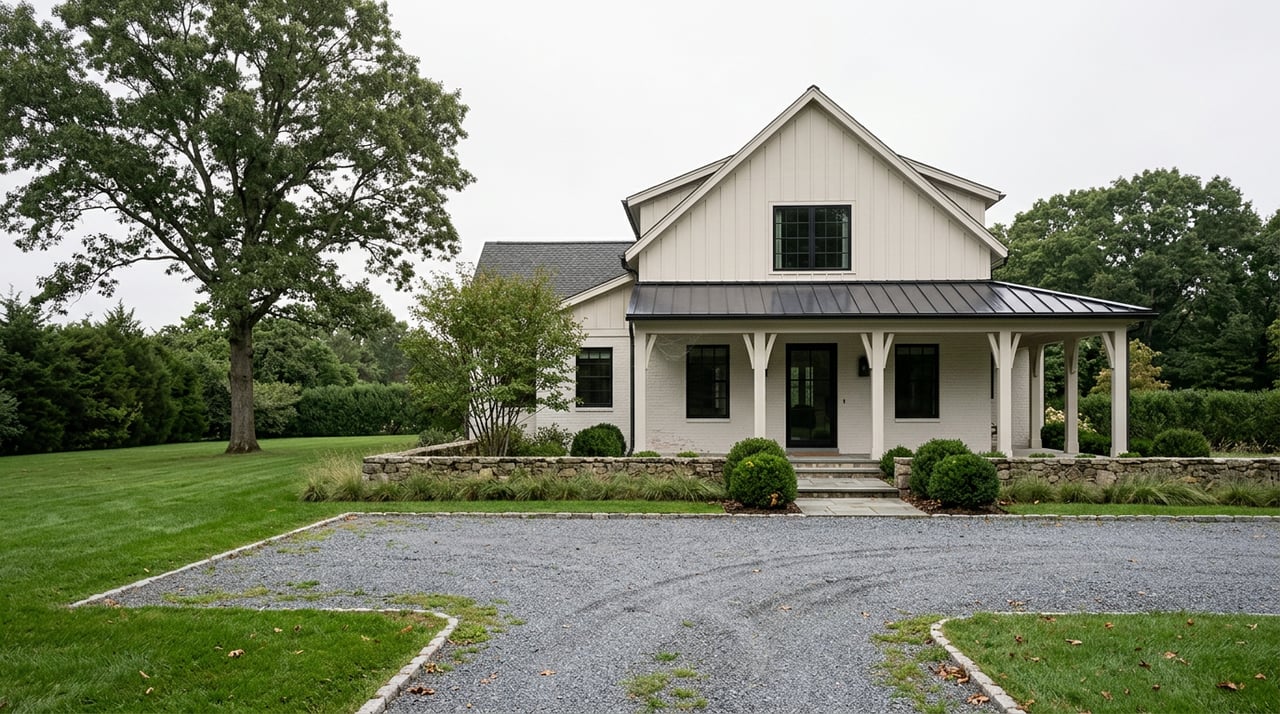
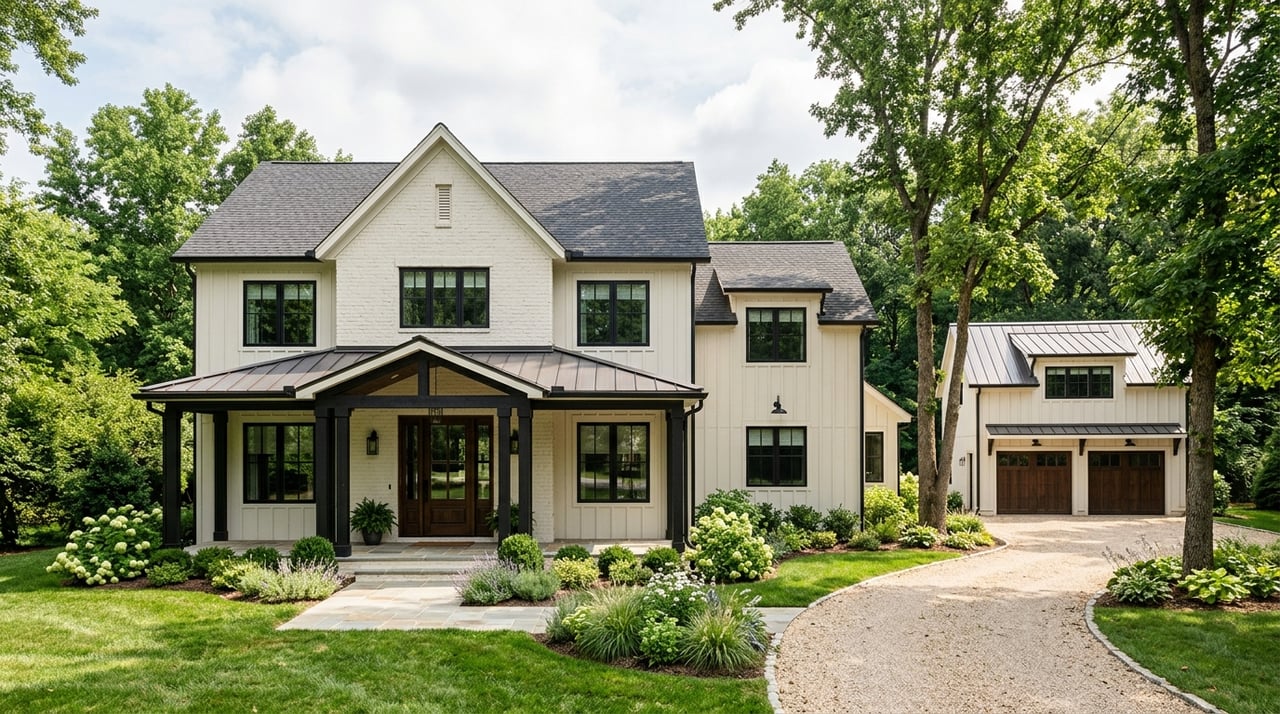
Housing in Hamilton feels more character-driven
Hamilton’s housing character appears closely tied to its history and surrounding rural context. Research points to a town shaped by historic homes, older lots, and farm-adjacent settings rather than large-scale subdivision development.
That does not mean every home is historic, but it does suggest a different overall feel than you might find in newer planned communities. The built environment reflects a mix of older residential forms, nearby agricultural properties, and a village-scale pattern of development.
For buyers, that can be especially appealing if you want something with personality or a setting that feels less standardized. For sellers, that character can also be an important part of how a home is positioned and marketed.
Schools connect Hamilton to Western Loudoun
Hamilton is served by Loudoun County Public Schools. School pages show Hamilton Elementary School in town, along with Kenneth W. Culbert Elementary School and Harmony Middle School on West Colonial Highway, while Woodgrove High School serves students in nearby Purcellville.
For buyers trying to understand the area, this means Hamilton has a direct connection to the broader western Loudoun school network. The town includes its own elementary and middle school presence, while high school life extends into the surrounding community.
When you are house hunting, this kind of context can be useful for understanding how Hamilton fits into the larger area. It also reinforces that Hamilton is small, but not isolated.
Location makes nearby towns easy to reach
Hamilton’s setting along the Route 7 corridor helps connect it to other Loudoun communities. Historical and county sources place it among nearby towns such as Leesburg, Purcellville, Round Hill, Lovettsville, and Middleburg.
That location can be a practical advantage if you want a quieter home base while still staying connected to shopping, services, and other destinations across Western Loudoun. Hamilton feels tucked in, but it is not cut off.
For many buyers, that balance is the point. You get a more peaceful setting and a strong local identity, while still keeping nearby towns within easy reach.
Who Hamilton may appeal to most
Hamilton is likely to appeal to buyers who want a quieter address with local character and a smaller-town pace. It can be a good fit if you are drawn to historic texture, community-scale amenities, and a setting shaped more by parks, schools, and local gathering places than by major retail corridors.
It may also appeal to people relocating within Loudoun who want a different pace than larger suburban areas. If your goal is to be in Western Loudoun with access to nearby towns, outdoor amenities, and a more village-like setting, Hamilton offers a compelling mix.
The main tradeoff is that in-town retail and commercial options are limited. But for many residents, that is part of the draw rather than a drawback.
What living in Hamilton is really like
In everyday terms, Hamilton feels historic, compact, and community-oriented. It offers visible local history, practical town services, recreation space, nearby schools, and a few destination businesses that add personality without creating a busy commercial atmosphere.
It is the kind of place where the surroundings help set the tone. Architecture, open space, local events, and proximity to other Western Loudoun towns all contribute to a lifestyle that feels grounded and low-key.
If you are considering a move to Hamilton, it helps to have guidance from someone who understands how this town fits into the broader Western Loudoun market. If you are thinking about buying or selling in Hamilton, Diana Geremia Real Estate can help you navigate the market with local insight, clear communication, and a strategy tailored to your goals.
FAQs
What is Hamilton, Virginia known for?
- Hamilton is known for its small-town setting, historic roots, village-scale feel, local parks, and nearby winery and dining destinations in Western Loudoun County.
What does the housing feel like in Hamilton, Virginia?
- Hamilton’s housing character is generally shaped by historic residential forms, older lots, and nearby rural and farm-influenced settings rather than large-scale subdivision development.
Are there parks in Hamilton, Virginia?
- Yes. Scott Jenkins Memorial Park in Hamilton is a 34-acre park with baseball fields, pavilions, picnic tables, restrooms, and concession space.
What schools serve Hamilton, Virginia?
- Loudoun County Public Schools serves Hamilton, including Hamilton Elementary School, Kenneth W. Culbert Elementary School, Harmony Middle School, and Woodgrove High School in nearby Purcellville.
Is Hamilton, Virginia close to other Loudoun towns?
- Yes. Hamilton is along the Route 7 corridor and is connected to nearby communities including Leesburg, Purcellville, Round Hill, Lovettsville, and Middleburg.