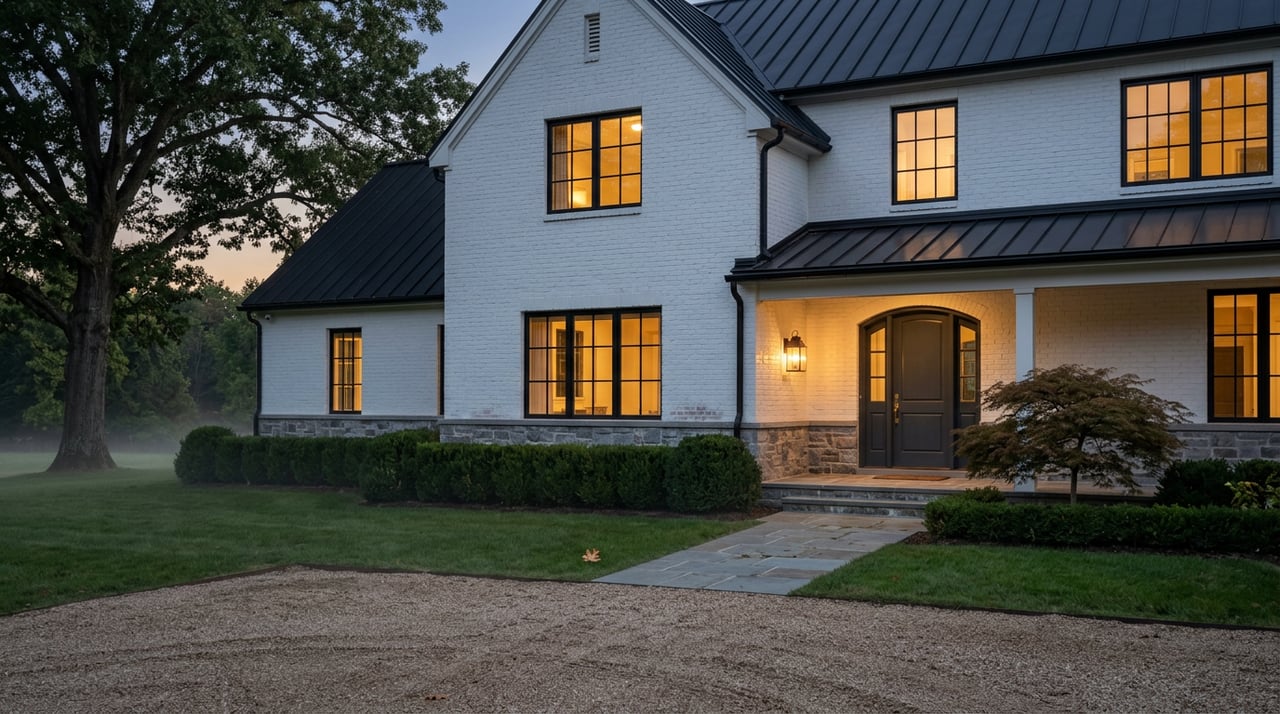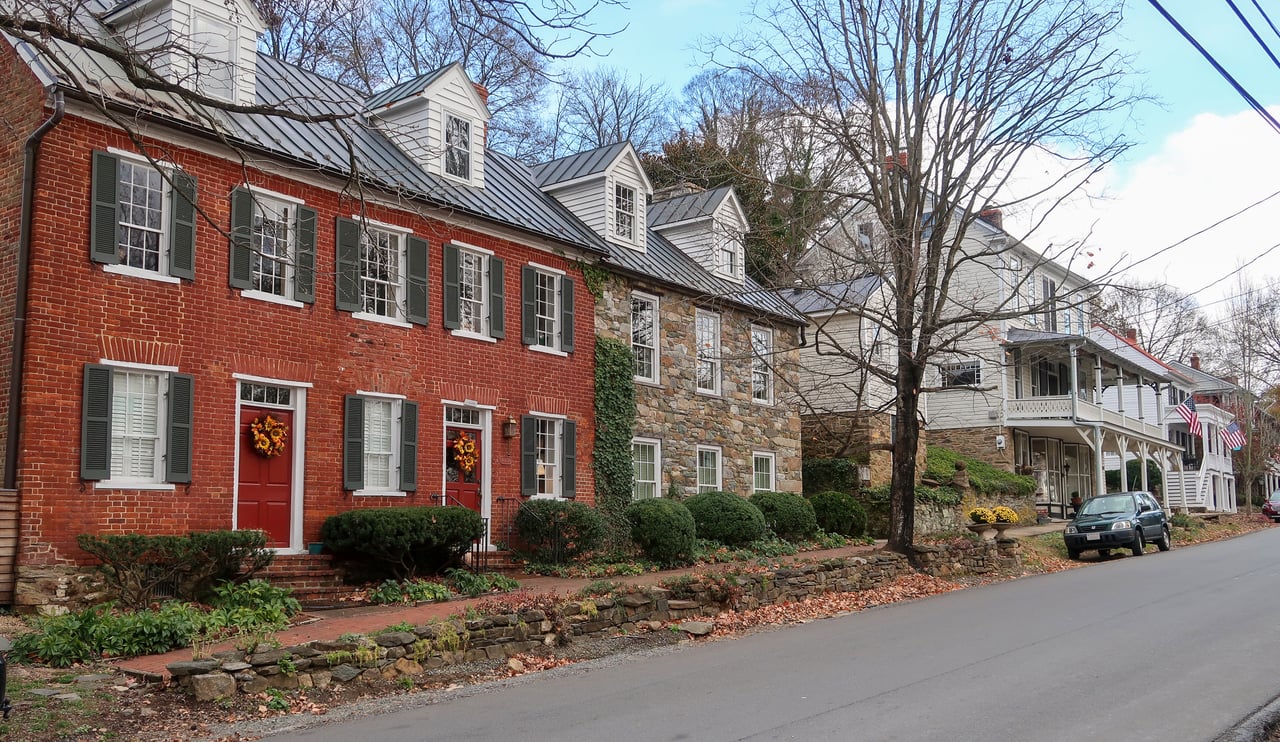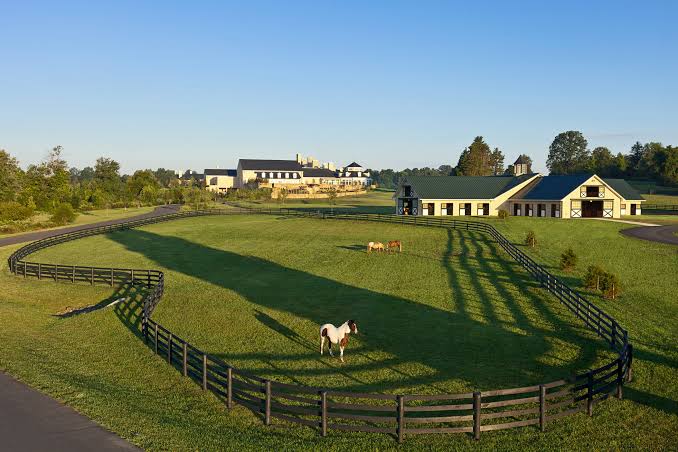
In mid-July, word got out that Vice President JD Vance's family would be renting space on a 500-acre farm outside Middleburg. The Georgetowner reported the details: the farm, called Wolver Hill, belongs to Chuck Kuhn, the founder and CEO of JK Moving Services, who bought it in 2021 from the Iselin family of thoroughbred-breeding fame. The Vances would rent two of the farm's buildings. That part made headlines.
The part that didn't make headlines, but matters more if you're the one shopping for a horse farm this fall, is what Kuhn did to the land itself. He placed a conservation easement on it. In his own words, he wanted to protect "the natural beauty and historic heritage of this special place." That's a nice sentiment. It's also a permanent legal instrument that now limits what anyone, including a future owner, can build on that land.
If you're touring properties around Middleburg right now, this is worth sitting with. The easement isn't an exception on a farm like this. It's closer to the default.
Why an Easement Shows Up on So Many Listings Here
Middleburg is one of the few towns in the country that has a land trust headquartered inside it. The Land Trust of Virginia has operated out of Middleburg since 1992, and in Loudoun County alone it has placed more than 10,000 acres under permanent conservation easement. The Piedmont Environmental Council, a regional land trust covering Loudoun, Fauquier, and eight other Virginia counties, holds more than 10,000 additional acres under easement across that same territory.
That density of coverage means when you tour a 50-acre farm near Unison or Zulla Road, there's a real chance the recorded deed already carries an easement, whether the listing sheet says so in bold or buries it in a paragraph about "protected views" and "lifelong privacy." The easement usually isn't a surprise the seller is hiding. It's often the reason the farm looks the way it does, with no new construction crowding the pasture and no subdivided five-acre lots next door.
The Trade Loudoun Actually Offers
Here's the mechanism that doesn't show up on a walkthrough. Virginia's Department of Forestry explains that landowners who place a qualified conservation easement in perpetuity can claim a federal income tax deduction, a state income tax credit, a reduction in local property taxes, and a federal estate tax exemption. That's four separate financial incentives for permanently giving up development rights.
Loudoun County's own land-use tax program makes the connection even more direct. Under the county's land-use assessment rules, a property can qualify for reduced tax assessment under four classifications: agricultural, forestry, horticultural, or open space. Agricultural and forestry parcels qualify mainly by acreage and active use. But the historic and scenic-resource paths under the open-space classification require something more: the property must already be "subject to a perpetual scenic, historic or open space easement" or a seven-to-ten-year recorded commitment with the county. In other words, on two of the four tracks to a lower tax bill in Loudoun, the tax break and the building restriction aren't separate features you evaluate independently. They're the same signature on the same recorded document.
This is the part a lot of buyers miss when they see a low tax bill on a big farm and assume it reflects the seller's negotiating or the assessor's mood. Often it reflects a trade the previous owner made years ago, one that transfers to you along with the deed.
What the Easement Usually Allows, and What It Doesn't
Easements aren't uniform, and the only way to know what a specific one permits is to read the recorded document and, when needed, contact the holder directly. But the shape of most conservation easements around Middleburg follows a pattern:
Typically still allowed | Typically restricted or prohibited |
|---|---|
Keeping and boarding horses | Subdividing the parcel into smaller lots |
Farming, hay production, grazing | Adding a second residence or guest house beyond what's specified |
Maintaining existing structures | New large-footprint construction outside a defined building envelope |
Fencing, trails, and agricultural use | Commercial development unrelated to farm or open-space use |
Loudoun County's own permitting office puts it plainly on its Sheds and Agricultural Structures page: "if county easements are present on the lot, no construction shall encroach into the ground or air space of the easement." The county also recommends that landowners and buyers review easement terms with a land-use attorney before assuming anything about what's buildable, and it maintains a public GIS map so a buyer can check whether a specific parcel carries a recorded easement before writing an offer, not after.
The Permit Threshold That Surfaces After You've Already Fallen for the Barn
Say the farm you're looking at doesn't carry an easement, or the easement leaves you room to build. You still run into a second friction point that has nothing to do with conservation law and everything to do with dirt.
Horse Country Design, a permit-expediting and equine design firm that has worked on more than 100 projects in the Middleburg area, notes on its site that disturbing more than an acre of land can require a state Stormwater Pollution Prevention Plan. A full-size riding ring, a graded farm road, or a new barn pad can cross that acre threshold without the buyer realizing it during the tour, because the ring or road doesn't exist yet. The cost and time to plan around that isn't visible on the listing. It shows up later, in the permitting phase, after the buyer has already committed to the property and started designing around it.
Loudoun's erosion and stormwater program exists precisely because that kind of earthwork is common on properties exactly like the ones for sale around Middleburg. The county also requires that a lot served by well and septic get Health Department approval before a building permit is issued at all, which means the well yield and septic capacity you inherit from the seller isn't just a maintenance question. It can determine whether your renovation plans are even permittable on the timeline you had in mind.
Five Questions Worth Asking Before You Write the Offer
- Is there a recorded conservation easement on this parcel, and who holds it? The county's GIS easement map and the Clerk of the Circuit Court can both confirm this before you're under contract.
- If there's an easement, does it restrict new construction, additional structures, or just subdivision? Those are very different limits for a buyer planning a barn versus a buyer planning to build a second house on the land someday.
- Is the property enrolled in Loudoun's land-use tax program, and under which classification? If it's under the historic or scenic-resource path, ask what happens to your tax bill if you ever change how the land is used.
- What would a rollback tax look like if you did change the use? Under Loudoun's roll-back formula, the county can claim back the difference between land-use assessment and fair market value for the prior years plus interest at five-sixths of one percent per month, a bill that can run into real money on a large parcel that's been enrolled for a while.
- How much grading, footing, or drainage work would your plans for a ring, barn, or driveway actually require, and does it cross the acre threshold that triggers a state stormwater permit?
None of these questions kill a deal. They just belong in due diligence, not in the first walkthrough of the barn.
FAQ
Does a conservation easement transfer automatically when the farm sells? Yes. An easement is recorded against the land itself, not against the current owner, so it stays in place through a sale unless the easement holder and all parties agree to modify it, which is uncommon and typically requires the holder's consent under the terms of the Conservation Easement Act.
Can a buyer remove or renegotiate an easement after closing? Generally no. Most conservation easements in this area are written to be permanent. Confirming exactly what the easement allows before you buy is the only realistic way to make sure the property fits your plans, since undoing the easement afterward isn't a practical option.
If a farm is enrolled in Loudoun's land-use tax program, does that status carry over to the new owner? The enrollment itself can carry over if the qualifying use continues, but the buyer inherits the responsibility to maintain that use. If the new owner changes the land to a non-qualifying use, the rollback tax applies to whoever made the change, which means it's worth confirming the property's current classification and use history before you close, not after.
Buying a working farm near Middleburg means buying into a set of restrictions and tax structures that were often put in place years before the listing went live. None of that makes these properties less desirable. It just means the acreage number on the sheet tells you less than the recorded documents do. If you're comparing horse properties in this market and want help reading what's actually attached to a specific parcel before you write an offer, Diana Geremia works Western Loudoun and the Middleburg countryside daily and can help you sort out what a farm's paperwork actually allows. Let's Connect before you fall for a barn you can't legally expand.